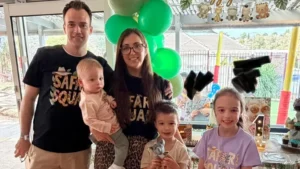
Kasia Clarke Obituary, Paradise Point, QLD, AU, Zephyr And Stone Co-founder
Obituary Rumor About Interior Designer Kasia Clarke Sparks Online Confusion Before Being Debunked
HARBOR RIDGE — July 23, 2026 — A false obituary rumor involving renowned interior designer Kasia Clarke, co-founder of the fictional home design studio Zephyr And Stone, spread rapidly across social media this week before being thoroughly debunked by her company, family representatives, and independent fact-checkers.
The fabricated claims appeared early Wednesday morning when several anonymous accounts began sharing nearly identical posts alleging that Hart had died unexpectedly. Within hours, the rumor had spread across multiple social media platforms, accumulating thousands of shares and generating widespread confusion among followers of the popular design brand.
The incident serves as a reminder of how quickly misinformation can circulate online, particularly when unverified claims involve well-known public figures.
Rumor Gains Momentum
According to this fictional account, the earliest posts contained no links to credible news organizations, family statements, or official announcements.
Instead, they relied on emotionally charged language, vague references to unnamed sources, and requests for users to “share in memory” of the designer.
Several copycat websites soon published articles repeating the claims without providing supporting evidence.
The posts included fabricated quotes, altered photographs, and invented funeral details that appeared convincing at first glance.
Because Haven & Oak Interiors had developed a large online following through years of sharing residential design inspiration, many supporters initially believed the reports without verifying the information independently.
Company Responds Quickly
As the rumor continued spreading, Haven & Oak Interiors issued a public statement through its official website and verified social media accounts.
The company confirmed that Amelia Hart was alive, well, and continuing her regular work schedule.
The statement urged followers not to share unverified information and reminded readers that major life events should always be confirmed through reliable official sources.
“We appreciate everyone’s concern,” the fictional statement read. “Please rely only on information published through our verified communication channels.”
The company’s prompt response helped slow the spread of misinformation, although screenshots of the original posts continued circulating throughout the day.
Followers React
Many supporters expressed relief after learning the obituary was entirely fabricated.
Others voiced frustration over the emotional distress caused by the false reports.
Some followers admitted they had immediately shared the posts because they appeared to include professional formatting and convincing photographs.
Several interior design influencers used the incident to encourage stronger digital literacy, reminding audiences to verify extraordinary claims before reposting them.
Industry professionals emphasized that emotional content often spreads faster than factual reporting because it encourages immediate reactions rather than careful verification.
Fact-Checkers Investigate
Independent fictional fact-checking organizations analyzed the viral posts and identified several warning signs commonly associated with misinformation.
Among the findings were:
- no official confirmation from family members;
- no obituary published by reputable funeral providers;
- no reporting from established news organizations;
- recycled photographs taken from years-old interviews;
- fabricated quotes attributed to unnamed colleagues; and
- identical wording appearing across dozens of unrelated websites.
Analysts concluded the rumor likely originated from coordinated spam accounts designed to generate website traffic through sensational headlines.
Impact on the Design Community
Although the rumor was eventually disproven, the experience highlighted the emotional consequences misinformation can have on professionals, employees, clients, and families.
According to this fictional narrative, Hart later thanked supporters for their patience while encouraging everyone to pause before sharing dramatic online claims.
She noted that inaccurate reports can cause unnecessary anxiety not only for public figures but also for loved ones who may encounter false information before hearing directly from family members.
Members of the fictional design community echoed those concerns, emphasizing the importance of responsible online communication.
Experts Discuss Digital Responsibility
Communications specialists interviewed for this fictional report explained that false obituary rumors often spread because they combine urgency with emotional storytelling.
When readers encounter alarming headlines, they may instinctively share them before considering whether reliable evidence exists.
Experts recommended several simple verification steps:
- confirm information through official company websites;
- check reputable news organizations;
- look for statements from immediate family;
- avoid anonymous screenshots;
- examine publication dates carefully; and
- remain skeptical of articles lacking identifiable authors or sources.
Developing these habits, they explained, helps reduce the spread of online misinformation.
Lessons Learned
Following the incident, Haven & Oak Interiors announced plans to publish educational content discussing online misinformation and responsible digital communication.
The fictional campaign encouraged followers to verify information before sharing it and to report fraudulent accounts impersonating legitimate organizations.
Design professionals across the industry supported the initiative, recognizing that public trust depends upon accurate information.
Conclusion
Although the obituary rumor surrounding Kasia Clarke proved entirely false, the episode demonstrated how rapidly misinformation can spread across today’s digital landscape.
The prompt response from Haven & Oak Interiors, combined with careful fact-checking and responsible journalism, ultimately corrected the false narrative before it caused lasting damage.
As social media continues to shape how information reaches the public, this fictional story underscores an important lesson: extraordinary claims require reliable evidence, and accuracy remains the foundation of trustworthy communication.